Within Better Habits
When Should You Make a Habit More Ambitious?
Expanding a routine is safer after the basic behaviour happens reliably, rather than demanding maximum effort from the start.

On this page
- Signs a routine is stable enough to grow
- Increasing duration or difficulty gradually
- Backing off when expansion breaks consistency
Page outline Jump by section
Introduction
A habit is usually ready to become more ambitious when the basic behaviour is happening reliably in its intended context and no longer requires the same amount of negotiation, remembering or effort to get started. That is a better signal than waiting for a mythical number of days. Research on habit formation shows large differences between people and behaviours: in one influential real-world study, the estimated time to approach peak automaticity ranged from 18 to 254 days, while a recent systematic review found similarly wide variation and no single scientifically established cut-off for when a habit is “formed”.[Wiley Online Library]onlinelibrary.wiley.comWiley Online LibraryHow are habits formed: Modelling habit formation in the real world - Lally - 2010 - European Journal of Social Psycho…
Once that stability exists, increasing duration, frequency or difficulty can make the routine more useful. The safest approach, however, is to expand the dose of the behaviour without unnecessarily changing the cue and structure that made it reliable. In practical terms, keep the dependable “when and where”, raise one demand at a time, and treat falling consistency as information that the expansion may have been too large.
How can you tell when a habit is stable enough to grow?
Habit strength is not the same thing as having completed a 21-, 30- or 66-day streak. In psychological research, a habit is generally understood as a behaviour that becomes increasingly prompted by contextual cues because it has been repeated in association with them. Frequency matters, but repetition in a reasonably stable context matters too.[Annual Reviews]annualreviews.orgAnnual Reviews Psychology of Habit | Annual ReviewsAnnual ReviewsPsychology of Habit | Annual ReviewsJanuary 4, 2016…
That distinction gives a more useful test for scaling. Suppose you want to read every evening. “I have read for 30 days” tells you how long the project has existed. “After I make tea, I usually pick up the book without debating whether to do it” tells you something more relevant about behavioural stability.
Research supports paying attention to this cue–behaviour relationship. A 2022 study of deliberate habit building found that greater context stability was associated with stronger automaticity and better attainment of repetition goals. In experimental data involving study habits, people instructed to keep their performance context stable developed more automaticity than those asked to vary rooms and times; similar associations appeared in real-world app data.[PubMed]pubmed.ncbi.nlm.nih.govContext Stability in Habit Building Increases Automaticity and Goal Attainment - PubMedJune 10, 2022…
Useful signs that a routine may be ready to expand include:
- It happens on most intended opportunities. You are not repeatedly renegotiating whether today counts.
- The starting cue still works. The behaviour follows something recognisable — after breakfast, on arriving home, after opening the laptop — rather than depending on remembering at a random moment.
- Starting feels easier than it did initially. Qualitative research on habit formation has found that behaviours can feel cognitively demanding early on and easier as automaticity develops.[PubMed]pubmed.ncbi.nlm.nih.govPub Med Experiences of habit formation: a qualitative studyExperiences of habit formation: a qualitative study - PubMedAugust 1, 2011…
- Ordinary bad days do not routinely erase the behaviour. A busy day might shorten it, but the routine itself survives.
- A missed occasion is followed by a return rather than abandonment. This matters because maintenance is better understood as continuing or recovering across disruptions than as preserving a flawless streak. Reviews of physical-activity maintenance explicitly distinguish sustainable maintenance from uninterrupted performance.[PubMed Central (PMC)]pmc.ncbi.nlm.nih.govPubMed Central (PMC)Physical Activity Maintenance: A Critical Narrative Review and Directions for Future Research - PMCSeptember 6, 2021…
None of these signs provides a clinical threshold. Habit researchers themselves use different measures and definitions of automaticity, and a recent systematic review noted that studies have applied varying thresholds for deciding when habit formation has occurred.[PubMed Central (PMC)]pmc.ncbi.nlm.nih.govOpen source on nih.gov. The practical decision is therefore probabilistic: scale when the existing version looks robust enough that added demand is unlikely to destroy the repetition pattern.
A useful rule is: do not increase a habit merely because it feels easy once; increase it when ease and reliability have become normal.
Increase the dose without rebuilding the whole routine
The most conservative expansion changes one dimension while preserving the established behavioural architecture.
If ten minutes of walking after lunch is reliable, move towards fifteen minutes before deciding that the new routine must also involve running, a gym membership and a different time of day. If five minutes of language practice after breakfast is established, extend the session before replacing it with an elaborate evening study schedule. If saving £20 on payday is automatic, a higher transfer may be easier to absorb than moving the entire process to a new account, date and budgeting system simultaneously.
This approach is consistent with the behaviour-change technique known as graded tasks: progressively increasing the difficulty of a behaviour rather than requiring the final target immediately. Evidence is strongest in physical-activity research rather than across every possible self-improvement habit, so it should not be treated as proof of a universal formula. Still, several systematic reviews have found graded tasks among techniques associated with stronger physical-activity outcomes or maintenance. A review of interventions for inactive adults found that programmes including graded tasks tended to show larger effects both immediately and at follow-up, while a separate review of adults with overweight or obesity identified graded tasks among techniques associated with improved physical activity in digital interventions.[PubMed]pubmed.ncbi.nlm.nih.govOpen source on nih.gov.
The broader evidence is not perfectly consistent. For example, graded tasks have not improved every outcome in every population, and one review of computerised cognitive training found lower adherence in studies using them.[PubMed]pubmed.ncbi.nlm.nih.govOpen source on nih.gov. That is a useful warning against turning “increase gradually” into another rigid self-help rule. The important idea is not endless progression. It is matching the next challenge to what the existing system can carry.
Change one variable at a time
For many routines, ambition can be raised along several dimensions:
- Duration: read for 20 minutes rather than 10.
- Volume: write 500 words rather than 250.
- Frequency: practise four days per week rather than three.
- Difficulty: move from simple problems to harder ones.
- Quality: keep the same session length but work with greater concentration or better technique.
Changing one of these at a time makes the result easier to interpret. If consistency remains intact, the new version may be sustainable. If performance collapses, you know which added demand caused trouble.
Physical exercise offers a particularly concrete example because progression is deliberately managed rather than maximised immediately. American College of Sports Medicine guidance in some exercise contexts recommends gradual progression and explicitly warns against large simultaneous increases in frequency, intensity, time and other training demands.[ACSM]acsm.orgExercise for the Prevention and Treatment of HypertensionExercise for the Prevention and Treatment of Hypertension The exact exercise prescription should not be generalised to reading, studying or saving money, but the implementation principle transfers well: avoid increasing every dimension at once.
Preserve the cue where possible
Scaling should generally enlarge the response, not discard the cue that has been training it.
If the established sequence is:
finish breakfast → practise piano for ten minutes
the first expansion might be:
finish breakfast → practise piano for fifteen minutes
rather than:
practise for forty minutes sometime after work
The latter is not simply a larger habit. It introduces a new time, new context and larger workload simultaneously.
That matters because stable contextual associations are central to habit development. Research comparing intention and habit has found that repeated behaviour becomes more predictive of future action when it occurs in stable contexts; when context is unstable and habits are weak, deliberate intention plays a larger role.[PubMed]pubmed.ncbi.nlm.nih.govOpen source on nih.gov. More recent longitudinal work likewise links context stability, behaviour frequency and perceived difficulty with trajectories of habit strength.[PubMed]pubmed.ncbi.nlm.nih.govOpen source on nih.gov.
A good expansion therefore tries to retain whatever is already doing useful behavioural work.
How large should the next increase be?
Habit research does not provide a universal prescription such as “increase every week by 10%”. That kind of precision would outrun the evidence. Different behaviours impose very different demands, and even research estimating time to automaticity finds substantial person-to-person variation.[PubMed Central (PMC)]pmc.ncbi.nlm.nih.govOpen source on nih.gov.
A better decision method is to make the increase large enough to matter but small enough to test without threatening the floor behaviour.
For example:
Established routineSensible first expansionRiskier jumpRead 10 minutes nightly15–20 minutesOne hour nightlyWalk 15 minutes after lunch20–25 minutesDaily hard runningStudy vocabulary for 10 minutes15 minutes or one extra setNinety-minute study blocksWrite 200 words each morning300 words1,500 wordsSave a fixed amount monthlyModestly increase the transferSet an amount that regularly causes cash-flow problems
The key question after increasing is not simply, “Can I do the harder version?” It is, “Can I repeatedly do the harder version under normal conditions?”
That distinction separates capacity from sustainability. Many people can perform an ambitious routine for several motivated days. The purpose of scaling is different: to raise the normal operating level while keeping the behaviour dependable.
Small-change interventions provide some indirect support for this logic. Trials in diet and physical activity have tested programmes built around modest, participant-selected changes rather than dramatic immediate demands. Results vary by outcome and population, so these studies do not prove that every habit should grow in tiny increments, but they demonstrate that meaningful behaviour change need not begin with maximal prescriptions.[PubMed]pubmed.ncbi.nlm.nih.govOpen source on nih.gov.
Back off when ambition starts breaking consistency
The clearest sign that an expansion was premature is not that the new version feels difficult. Some difficulty is expected when capacity is being increased. The warning sign is that the larger version begins damaging the repetition pattern that supported the habit.
Imagine a routine that has been stable for six weeks:
after dinner → study for 20 minutes
You increase it to one hour. For several days it works, then you start postponing it, skipping sessions when tired and eventually avoiding the cue because “studying now means losing the whole evening”.
At that point, insisting on the one-hour standard may be less useful than returning to 20 or 30 minutes. The goal is not to defend the expansion. It is to preserve the behaviour.
This is especially important because perceived difficulty appears to matter for habit development. Recent longitudinal research has found stronger habit trajectories associated with factors including greater behaviour frequency and context stability, while perceived difficulty was negatively associated with habit strength.[PubMed]pubmed.ncbi.nlm.nih.govOpen source on nih.gov. That does not mean habits must remain effortless. It means that increasing difficulty has a behavioural cost that needs to be earned by sufficient stability.
Research on lapse and relapse also argues against treating setbacks as proof of failure. A systematic review of physical activity and dietary behaviour found that relapse has many possible predictors and that much of the evidence remains inconclusive; self-efficacy was the most consistent predictor across several outcomes.[PubMed]pubmed.ncbi.nlm.nih.govOpen source on nih.gov. Meanwhile, the classic Lally habit-formation study found that missing a single opportunity did not materially derail the overall automaticity curve.[Wiley Online Library]onlinelibrary.wiley.comWiley Online LibraryHow are habits formed: Modelling habit formation in the real world - Lally - 2010 - European Journal of Social Psycho…
So a failed expansion should usually trigger adjustment rather than abandonment.
A practical sequence is:
- Return to the last version that was reliably happening.
- Keep the same cue and context if they were working.
- Re-establish several normal repetitions rather than compensating with an oversized session.
- Try a smaller increase next time.
- If every increase damages adherence, reconsider whether expansion is actually necessary.
That final point is easily overlooked. A habit does not have to grow indefinitely. Fifteen minutes of daily reading that lasts for years can be more valuable than repeatedly attempting a one-hour routine that disappears after a fortnight. Progression should serve the underlying goal, not become a separate demand for permanent optimisation.

The useful target is a higher sustainable baseline
Scaling works best when the question changes from “How much more can I force myself to do?” to “What larger version can become as normal as the smaller one?”
The evidence does not identify a universal waiting period, automaticity score or percentage increase that marks the correct moment. What it does support is a more durable pattern: repeated behaviour in stable contexts strengthens habit; formation times vary widely; demanding behaviours can be harder to habitualise; and graded increases are a credible behaviour-change technique in several intervention literatures, though not a guaranteed solution.[nih.gov]pmc.ncbi.nlm.nih.govOpen source on nih.gov.
For implementation, that translates into a restrained progression rule: first make the routine dependable, then enlarge it while preserving the cue, change one demand at a time, and reduce the target if the expansion starts costing you the consistency you had already earned.
Amazon book picks
Further Reading
Books and field guides related to When Should You Make a Habit More Ambitious?. Use these as the next step if you want deeper reading beyond the article.
Atomic Habits
Rating: 3.5/5 from 7 Google Books ratings
The #1 New York Times bestseller. Over 25 million copies sold! Translated into 60+ languages! Tiny Changes, Remarkable Results No matter...
Tiny Habits
Improving your life is much easier than you think. Whether it’s losing weight, sleeping more, or restoring your work/life balance – the s...
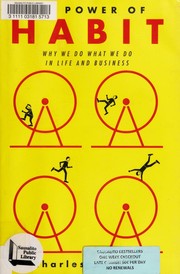
The Power of Habit
Rating: 4.0/5 from 145 Google Books ratings
In The Power of Habit, award-winning business reporter Charles Duhigg takes us to the thrilling edge of scientific discoveries that expla...
Mini Habits
Discover the Life-Changing Strategy of This Worldwide Bestseller in 17 Languages! Lasting Change For Early Quitters, Burnouts, The Unmoti...
eBay marketplace picks
Marketplace Samples
Live-tested eBay searches with available results related to this page.
Selected frommotivational wall art oneBay.co.uk.

Current eBay listing
Gym Motivational Posters Work Out Insperational Quotes Wall Art


Current eBay listing
Muhammad Ali Dream Motivational Quote Canvas Wall Art Picture Print
Endnotes
1.
Source: onlinelibrary.wiley.com
Link:https://onlinelibrary.wiley.com/doi/full/10.1002/ejsp.674
Source snippet
Wiley Online LibraryHow are habits formed: Modelling habit formation in the real world - Lally - 2010 - European Journal of Social Psycho...
2.
Source: acsm.org
Title: Exercise for the Prevention and Treatment of Hypertension
Link:https://acsm.org/exercise-for-the-prevention-and-treatment-of-hypertension/
3.
Source: acsm.org
Title: Hot Topic | Strength & Power Exercise for Osteoarthritis
Link:https://acsm.org/hot-topic-strength-power-exercise-for-osteoarthritis/
4.
Source: acsm.org
Title: Doing What We Mean to Do: Following Through with Fitness Goals
Link:https://acsm.org/following-through-fitness-goals/
5.
Source: acsm.org
Title: Physical Activity Guidelines: 5 FAQs
Link:https://acsm.org/physical-activity-guidelines-faqs/
6.
Source: onlinelibrary.wiley.com
Link:https://onlinelibrary.wiley.com/doi/pdf/10.1002/ejsp.674
7.
Source: onlinelibrary.wiley.com
Link:https://onlinelibrary.wiley.com/doi/10.1002/ejsp.674?947f74f7_page=5&b158b201_page=5
8.
Source: onlinelibrary.wiley.com
Link:https://onlinelibrary.wiley.com/doi/abs/10.1002/ejsp.674?source=content_type%3Areact%7Cfirst_level_url%3Aarticle%7Csection%3Amain_content%7Cbutton%3Abody_link
9.
Source: onlinelibrary.wiley.com
Link:https://onlinelibrary.wiley.com/doi/abs/10.1002/ejsp.674
10.
Source: onlinelibrary.wiley.com
Link:https://onlinelibrary.wiley.com/doi/abs/10.1002/ejsp.674?MixPanelId=15e3fe314440-0468d8411-64220f54-100000-15e3fe314460
11.
Source: onlinelibrary.wiley.com
Link:https://onlinelibrary.wiley.com/doi/abs/10.1002/ejsp.674?aff_id=24772
12.
Source: onlinelibrary.wiley.com
Link:https://onlinelibrary.wiley.com/doi/10.1002/ejsp.674?2d235898_page=2&538fcd4b_page=6&d2101103_page=8&d73ad837_page=2
13.
Source: onlinelibrary.wiley.com
Link:https://onlinelibrary.wiley.com/doi/abs/10.1002/ejsp.674?538fcd4b_page=6&947f74f7_page=5
14.
Source: onlinelibrary.wiley.com
Link:https://onlinelibrary.wiley.com/doi/abs/10.1002/ejsp.674?cf_chl_jschl_tk=pmd_EwcJDaCFBR9OVEL1O_0qjioww0Gc86ZzpBvCBFhrDcE-1635261061-0-gqNtZGzNAjujcnBszQi9
15.
Source: onlinelibrary.wiley.com
Link:https://onlinelibrary.wiley.com/doi/10.1002/ejsp.674?538fcd4b_page=6&d2101103_page=2
16.
Source: onlinelibrary.wiley.com
Link:https://onlinelibrary.wiley.com/doi/10.1002/ejsp.674?947f74f7_page=6&b158b201_page=5
17.
Source: corkscrew.acsm.org
Title: physical activity guidelines
Link:https://corkscrew.acsm.org/education-resources/trending-topics-resources/physical-activity-guidelines/
18.
Source: acsm.org
Title: Physical Activity Guidelines
Link:https://acsm.org/education-resources/trending-topics-resources/physical-activity-guidelines/?nocache=1769400934
19.
Source: acsm.org
Title: Physical Activity Guidelines
Link:https://acsm.org/education-resources/trending-topics-resources/physical-activity-guidelines/?nocache=1762013658
20.
Source: acsm.org
Title: Physical Activity Guidelines
Link:https://acsm.org/education-resources/trending-topics-resources/physical-activity-guidelines/?nocache=1775154318
21.
Source: acsm.org
Title: Physical Activity Guidelines
Link:https://acsm.org/education-resources/trending-topics-resources/physical-activity-guidelines/?nocache=1767738784
22.
Source: acsm.org
Title: Physical Activity Guidelines
Link:https://acsm.org/education-resources/trending-topics-resources/physical-activity-guidelines/?nocache=1771011562
23.
Source: acsm.org
Title: ACS M’s Exercise Testing and Prescription
Link:https://acsm.org/education-resources/books/exercise-testing-prescription/
24.
Source: acsm.org
Title: Physical Activity Guidelines
Link:https://acsm.org/education-resources/trending-topics-resources/physical-activity-guidelines/?nocache=1768635249
25.
Source: pmc.ncbi.nlm.nih.gov
Link:https://pmc.ncbi.nlm.nih.gov/articles/PMC11641623/
26.
Source: annualreviews.org
Title: Annual Reviews Psychology of Habit | Annual Reviews
Link:https://www.annualreviews.org/docserver/fulltext/psych/67/1/annurev-psych-122414-033417.pdf
Source snippet
Annual ReviewsPsychology of Habit | Annual ReviewsJanuary 4, 2016...
Published: January 4, 2016
27.
Source: pmc.ncbi.nlm.nih.gov
Link:https://pmc.ncbi.nlm.nih.gov/articles/PMC4566897/
Source snippet
PubMed Central (PMC)A review and analysis of the use of ‘habit’ in understanding, predicting and influencing health-related behaviour - PMC...
28.
Source: pubmed.ncbi.nlm.nih.gov
Link:https://pubmed.ncbi.nlm.nih.gov/35756236/
Source snippet
Context Stability in Habit Building Increases Automaticity and Goal Attainment - PubMedJune 10, 2022...
Published: June 10, 2022
29.
Source: pubmed.ncbi.nlm.nih.gov
Title: Pub Med Experiences of habit formation: a qualitative study
Link:https://pubmed.ncbi.nlm.nih.gov/21749245/
Source snippet
Experiences of habit formation: a qualitative study - PubMedAugust 1, 2011...
Published: August 1, 2011
30.
Source: pmc.ncbi.nlm.nih.gov
Link:https://pmc.ncbi.nlm.nih.gov/articles/PMC8450373/
Source snippet
PubMed Central (PMC)Physical Activity Maintenance: A Critical Narrative Review and Directions for Future Research - PMCSeptember 6, 2021...
Published: September 6, 2021
31.
Source: pubmed.ncbi.nlm.nih.gov
Link:https://pubmed.ncbi.nlm.nih.gov/29506209/
32.
Source: pubmed.ncbi.nlm.nih.gov
Link:https://pubmed.ncbi.nlm.nih.gov/33949778/
33.
Source: pubmed.ncbi.nlm.nih.gov
Link:https://pubmed.ncbi.nlm.nih.gov/35157209/
34.
Source: pubmed.ncbi.nlm.nih.gov
Link:https://pubmed.ncbi.nlm.nih.gov/17678574/
35.
Source: pubmed.ncbi.nlm.nih.gov
Link:https://pubmed.ncbi.nlm.nih.gov/42053513/
36.
Source: pubmed.ncbi.nlm.nih.gov
Link:https://pubmed.ncbi.nlm.nih.gov/36853069/
37.
Source: pubmed.ncbi.nlm.nih.gov
Link:https://pubmed.ncbi.nlm.nih.gov/18568379/
38.
Source: pubmed.ncbi.nlm.nih.gov
Link:https://pubmed.ncbi.nlm.nih.gov/34851220/
39.
Source: pmc.ncbi.nlm.nih.gov
Link:https://pmc.ncbi.nlm.nih.gov/articles/PMC13295560/
40.
Source: pmc.ncbi.nlm.nih.gov
Link:https://pmc.ncbi.nlm.nih.gov/articles/PMC13114073/
41.
Source: pubmed.ncbi.nlm.nih.gov
Link:https://pubmed.ncbi.nlm.nih.gov/41664442/
42.
Source: pubmed.ncbi.nlm.nih.gov
Link:https://pubmed.ncbi.nlm.nih.gov/41233533/
43.
Source: pubmed.ncbi.nlm.nih.gov
Link:https://pubmed.ncbi.nlm.nih.gov/40985556/
44.
Source: pmc.ncbi.nlm.nih.gov
Link:https://pmc.ncbi.nlm.nih.gov/articles/PMC12649445/
45.
Source: pubmed.ncbi.nlm.nih.gov
Link:https://pubmed.ncbi.nlm.nih.gov/41128392/
46.
Source: pubmed.ncbi.nlm.nih.gov
Link:https://pubmed.ncbi.nlm.nih.gov/40697673/
47.
Source: pubmed.ncbi.nlm.nih.gov
Link:https://pubmed.ncbi.nlm.nih.gov/39685110/
48.
Source: pmc.ncbi.nlm.nih.gov
Link:https://pmc.ncbi.nlm.nih.gov/articles/PMC11602007/
49.
Source: pmc.ncbi.nlm.nih.gov
Link:https://pmc.ncbi.nlm.nih.gov/articles/PMC11617113/
50.
Source: pmc.ncbi.nlm.nih.gov
Link:https://pmc.ncbi.nlm.nih.gov/articles/PMC11574773/
51.
Source: pubmed.ncbi.nlm.nih.gov
Link:https://pubmed.ncbi.nlm.nih.gov/39225981/
52.
Source: pubmed.ncbi.nlm.nih.gov
Link:https://pubmed.ncbi.nlm.nih.gov/39321606/
53.
Source: pubmed.ncbi.nlm.nih.gov
Link:https://pubmed.ncbi.nlm.nih.gov/39606300/
54.
Source: pubmed.ncbi.nlm.nih.gov
Link:https://pubmed.ncbi.nlm.nih.gov/38917474/
55.
Source: pmc.ncbi.nlm.nih.gov
Link:https://pmc.ncbi.nlm.nih.gov/articles/PMC11161714/
56.
Source: pubmed.ncbi.nlm.nih.gov
Link:https://pubmed.ncbi.nlm.nih.gov/35086431/
57.
Source: pubmed.ncbi.nlm.nih.gov
Link:https://pubmed.ncbi.nlm.nih.gov/38300788/
58.
Source: pmc.ncbi.nlm.nih.gov
Link:https://pmc.ncbi.nlm.nih.gov/articles/PMC10858305/
59.
Source: pmc.ncbi.nlm.nih.gov
Link:https://pmc.ncbi.nlm.nih.gov/articles/PMC10842266/
60.
Source: pmc.ncbi.nlm.nih.gov
Link:https://pmc.ncbi.nlm.nih.gov/articles/PMC10736544/
61.
Source: pubmed.ncbi.nlm.nih.gov
Link:https://pubmed.ncbi.nlm.nih.gov/38047612/
62.
Source: pmc.ncbi.nlm.nih.gov
Link:https://pmc.ncbi.nlm.nih.gov/articles/PMC10842199/
63.
Source: pubmed.ncbi.nlm.nih.gov
Link:https://pubmed.ncbi.nlm.nih.gov/38006625/
64.
Source: pmc.ncbi.nlm.nih.gov
Link:https://pmc.ncbi.nlm.nih.gov/articles/PMC10498635/
65.
Source: pmc.ncbi.nlm.nih.gov
Link:https://pmc.ncbi.nlm.nih.gov/articles/PMC10287018/
66.
Source: pmc.ncbi.nlm.nih.gov
Link:https://pmc.ncbi.nlm.nih.gov/articles/PMC10151500/
67.
Source: pubmed.ncbi.nlm.nih.gov
Link:https://pubmed.ncbi.nlm.nih.gov/36782207/
68.
Source: pubmed.ncbi.nlm.nih.gov
Link:https://pubmed.ncbi.nlm.nih.gov/36775533/
69.
Source: pubmed.ncbi.nlm.nih.gov
Link:https://pubmed.ncbi.nlm.nih.gov/35962435/
70.
Source: pubmed.ncbi.nlm.nih.gov
Link:https://pubmed.ncbi.nlm.nih.gov/35799263/
71.
Source: pmc.ncbi.nlm.nih.gov
Link:https://pmc.ncbi.nlm.nih.gov/articles/PMC9261070/
72.
Source: pmc.ncbi.nlm.nih.gov
Link:https://pmc.ncbi.nlm.nih.gov/articles/PMC9298974/
73.
Source: pmc.ncbi.nlm.nih.gov
Link:https://pmc.ncbi.nlm.nih.gov/articles/PMC9226889/
74.
Source: pubmed.ncbi.nlm.nih.gov
Link:https://pubmed.ncbi.nlm.nih.gov/35256388/
75.
Source: pmc.ncbi.nlm.nih.gov
Link:https://pmc.ncbi.nlm.nih.gov/articles/PMC12318445/
76.
Source: pubmed.ncbi.nlm.nih.gov
Link:https://pubmed.ncbi.nlm.nih.gov/35669034/
77.
Source: annualreviews.org
Title: Attitudes, Habits, and Behavior Change | Annual Reviews
Link:https://www.annualreviews.org/content/journals/10.1146/annurev-psych-020821-011744
78.
Source: pubmed.ncbi.nlm.nih.gov
Link:https://pubmed.ncbi.nlm.nih.gov/34436576/
79.
Source: pubmed.ncbi.nlm.nih.gov
Link:https://pubmed.ncbi.nlm.nih.gov/34406708/
80.
Source: pubmed.ncbi.nlm.nih.gov
Link:https://pubmed.ncbi.nlm.nih.gov/34129276/
81.
Source: pmc.ncbi.nlm.nih.gov
Link:https://pmc.ncbi.nlm.nih.gov/articles/PMC8191629/
82.
Source: pubmed.ncbi.nlm.nih.gov
Link:https://pubmed.ncbi.nlm.nih.gov/33220048/
83.
Source: pmc.ncbi.nlm.nih.gov
Link:https://pmc.ncbi.nlm.nih.gov/articles/PMC8365685/
84.
Source: pubmed.ncbi.nlm.nih.gov
Link:https://pubmed.ncbi.nlm.nih.gov/33502088/
85.
Source: pubmed.ncbi.nlm.nih.gov
Link:https://pubmed.ncbi.nlm.nih.gov/33383569/
86.
Source: pmc.ncbi.nlm.nih.gov
Link:https://pmc.ncbi.nlm.nih.gov/articles/PMC7645026/
87.
Source: pubmed.ncbi.nlm.nih.gov
Link:https://pubmed.ncbi.nlm.nih.gov/32525446/
88.
Source: pmc.ncbi.nlm.nih.gov
Link:https://pmc.ncbi.nlm.nih.gov/articles/7218590/
89.
Source: pubmed.ncbi.nlm.nih.gov
Link:https://pubmed.ncbi.nlm.nih.gov/32275199/
90.
Source: pubmed.ncbi.nlm.nih.gov
Link:https://pubmed.ncbi.nlm.nih.gov/31923898/
91.
Source: pubmed.ncbi.nlm.nih.gov
Link:https://pubmed.ncbi.nlm.nih.gov/31856664/
92.
Source: pmc.ncbi.nlm.nih.gov
Link:https://pmc.ncbi.nlm.nih.gov/articles/PMC6667662/
93.
Source: pubmed.ncbi.nlm.nih.gov
Link:https://pubmed.ncbi.nlm.nih.gov/31396122/
94.
Source: pmc.ncbi.nlm.nih.gov
Link:https://pmc.ncbi.nlm.nih.gov/articles/PMC6437332/
95.
Source: pubmed.ncbi.nlm.nih.gov
Link:https://pubmed.ncbi.nlm.nih.gov/30279029/
96.
Source: pmc.ncbi.nlm.nih.gov
Link:https://pmc.ncbi.nlm.nih.gov/articles/PMC6378489/
97.
Source: pubmed.ncbi.nlm.nih.gov
Link:https://pubmed.ncbi.nlm.nih.gov/30464612/
98.
Source: pmc.ncbi.nlm.nih.gov
Link:https://pmc.ncbi.nlm.nih.gov/articles/PMC6215922/
99.
Source: pubmed.ncbi.nlm.nih.gov
Link:https://pubmed.ncbi.nlm.nih.gov/30336306/
100.
Source: pubmed.ncbi.nlm.nih.gov
Link:https://pubmed.ncbi.nlm.nih.gov/30229557/
101.
Source: pubmed.ncbi.nlm.nih.gov
Link:https://pubmed.ncbi.nlm.nih.gov/29911311/
102.
Source: pubmed.ncbi.nlm.nih.gov
Link:https://pubmed.ncbi.nlm.nih.gov/30554613/
103.
Source: pmc.ncbi.nlm.nih.gov
Link:https://pmc.ncbi.nlm.nih.gov/articles/PMC6305562/
104.
Source: pubmed.ncbi.nlm.nih.gov
Link:https://pubmed.ncbi.nlm.nih.gov/29334317/
105.
Source: pubmed.ncbi.nlm.nih.gov
Link:https://pubmed.ncbi.nlm.nih.gov/29247111/
106.
Source: pubmed.ncbi.nlm.nih.gov
Link:https://pubmed.ncbi.nlm.nih.gov/29202850/
107.
Source: pubmed.ncbi.nlm.nih.gov
Link:https://pubmed.ncbi.nlm.nih.gov/28965003/
108.
Source: pubmed.ncbi.nlm.nih.gov
Link:https://pubmed.ncbi.nlm.nih.gov/28382755/
109.
Source: pubmed.ncbi.nlm.nih.gov
Link:https://pubmed.ncbi.nlm.nih.gov/28351367/
110.
Source: pmc.ncbi.nlm.nih.gov
Link:https://pmc.ncbi.nlm.nih.gov/articles/PMC5370453/
111.
Source: pubmed.ncbi.nlm.nih.gov
Link:https://pubmed.ncbi.nlm.nih.gov/28330457/
112.
Source: annualreviews.org
Title: Learning, Reward, and Decision Making | Annual Reviews
Link:https://www.annualreviews.org/content/journals/10.1146/annurev-psych-010416-044216
113.
Source: pubmed.ncbi.nlm.nih.gov
Link:https://pubmed.ncbi.nlm.nih.gov/25957228/
114.
Source: pubmed.ncbi.nlm.nih.gov
Link:https://pubmed.ncbi.nlm.nih.gov/27136493/
115.
Source: pubmed.ncbi.nlm.nih.gov
Link:https://pubmed.ncbi.nlm.nih.gov/27120333/
116.
Source: annualreviews.org
Title: The Nonconscious at Work | Annual Reviews
Link:https://www.annualreviews.org/content/journals/10.1146/annurev-orgpsych-041015-062517
117.
Source: annualreviews.org
Title: Learner Control and e-Learning: Taking Stock and Moving Forward | Annual Reviews
Link:https://www.annualreviews.org/content/journals/10.1146/annurev-orgpsych-041015-062344
118.
Source: pmc.ncbi.nlm.nih.gov
Link:https://pmc.ncbi.nlm.nih.gov/articles/PMC4975085/
119.
Source: pubmed.ncbi.nlm.nih.gov
Link:https://pubmed.ncbi.nlm.nih.gov/26860430/
120.
Source: pubmed.ncbi.nlm.nih.gov
Link:https://pubmed.ncbi.nlm.nih.gov/26479070/
121.
Source: annualreviews.org
Title: Psychology of Habit | Annual Reviews
Link:https://www.annualreviews.org/docserver/fulltext/psych/67/1/annurev-psych-122414-033417.pdf?accname=guest&checksum=AF3B3EEFD1B16EB6822F73787ED682D5&expires=1767193310&id=id
122.
Source: annualreviews.org
Title: Psychology of Habit | Annual Reviews
Link:https://www.annualreviews.org/docserver/fulltext/psych/67/1/annurev-psych-122414-033417.pdf?accname=guest&checksum=073AC838243715A79C3D4DD2CDE4C47E&expires=1763333131&id=id
123.
Source: annualreviews.org
Link:https://www.annualreviews.org/content/journals/10.1146/annurev-psych-122414-033550?crawler=true&mimetype=application%2Fpdf
124.
Source: annualreviews.org
Link:https://www.annualreviews.org/content/journals/10.1146/annurev-psych-122414-033457
125.
Source: pubmed.ncbi.nlm.nih.gov
Link:https://pubmed.ncbi.nlm.nih.gov/25977197/
126.
Source: pubmed.ncbi.nlm.nih.gov
Link:https://pubmed.ncbi.nlm.nih.gov/25965276/
127.
Source: pubmed.ncbi.nlm.nih.gov
Link:https://pubmed.ncbi.nlm.nih.gov/25633208/
128.
Source: pubmed.ncbi.nlm.nih.gov
Link:https://pubmed.ncbi.nlm.nih.gov/24999905/
129.
Source: pubmed.ncbi.nlm.nih.gov
Link:https://pubmed.ncbi.nlm.nih.gov/24937649/
130.
Source: pmc.ncbi.nlm.nih.gov
Link:https://pmc.ncbi.nlm.nih.gov/articles/PMC4237119/
131.
Source: pubmed.ncbi.nlm.nih.gov
Link:https://pubmed.ncbi.nlm.nih.gov/25207647/
132.
Source: pmc.ncbi.nlm.nih.gov
Link:https://pmc.ncbi.nlm.nih.gov/articles/PMC4296343/
133.
Source: pubmed.ncbi.nlm.nih.gov
Link:https://pubmed.ncbi.nlm.nih.gov/23556505/
134.
Source: pmc.ncbi.nlm.nih.gov
Link:https://pmc.ncbi.nlm.nih.gov/articles/PMC3639155/
135.
Source: pmc.ncbi.nlm.nih.gov
Link:https://pmc.ncbi.nlm.nih.gov/articles/3505409/
136.
Source: pmc.ncbi.nlm.nih.gov
Link:https://pmc.ncbi.nlm.nih.gov/articles/PMC3505409/
137.
Source: pubmed.ncbi.nlm.nih.gov
Link:https://pubmed.ncbi.nlm.nih.gov/23127330/
138.
Source: pubmed.ncbi.nlm.nih.gov
Link:https://pubmed.ncbi.nlm.nih.gov/22107605/
139.
Source: pmc.ncbi.nlm.nih.gov
Link:https://pmc.ncbi.nlm.nih.gov/articles/PMC3552971/
140.
Source: pubmed.ncbi.nlm.nih.gov
Link:https://pubmed.ncbi.nlm.nih.gov/22935297/
141.
Source: pubmed.ncbi.nlm.nih.gov
Link:https://pubmed.ncbi.nlm.nih.gov/22682656/
142.
Source: pmc.ncbi.nlm.nih.gov
Link:https://pmc.ncbi.nlm.nih.gov/articles/PMC3163829/
143.
Source: pubmed.ncbi.nlm.nih.gov
Link:https://pubmed.ncbi.nlm.nih.gov/21299298/
144.
Source: pmc.ncbi.nlm.nih.gov
Link:https://pmc.ncbi.nlm.nih.gov/articles/PMC2862890/
145.
Source: pubmed.ncbi.nlm.nih.gov
Link:https://pubmed.ncbi.nlm.nih.gov/20207189/
146.
Source: pubmed.ncbi.nlm.nih.gov
Link:https://pubmed.ncbi.nlm.nih.gov/16337342/
147.
Source: pubmed.ncbi.nlm.nih.gov
Link:https://pubmed.ncbi.nlm.nih.gov/16840769/
148.
Source: pubmed.ncbi.nlm.nih.gov
Link:https://pubmed.ncbi.nlm.nih.gov/16238853/
149.
Source: pubmed.ncbi.nlm.nih.gov
Link:https://pubmed.ncbi.nlm.nih.gov/15915277/
150.
Source: pubmed.ncbi.nlm.nih.gov
Link:https://pubmed.ncbi.nlm.nih.gov/15196789/
151.
Source: pubmed.ncbi.nlm.nih.gov
Link:https://pubmed.ncbi.nlm.nih.gov/27008360/
152.
Source: pubmed.ncbi.nlm.nih.gov
Link:https://pubmed.ncbi.nlm.nih.gov/17295981/
153.
Source: pubmed.ncbi.nlm.nih.gov
Link:https://pubmed.ncbi.nlm.nih.gov/24591064/
154.
Source: pubmed.ncbi.nlm.nih.gov
Link:https://pubmed.ncbi.nlm.nih.gov/17908743/
155.
Source: pubmed.ncbi.nlm.nih.gov
Link:https://pubmed.ncbi.nlm.nih.gov/29947322/
156.
Source: pubmed.ncbi.nlm.nih.gov
Link:https://pubmed.ncbi.nlm.nih.gov/23211256/
157.
Source: pubmed.ncbi.nlm.nih.gov
Link:https://pubmed.ncbi.nlm.nih.gov/36437536/
158.
Source: pubmed.ncbi.nlm.nih.gov
Link:https://pubmed.ncbi.nlm.nih.gov/20658824/
159.
Source: pubmed.ncbi.nlm.nih.gov
Link:https://pubmed.ncbi.nlm.nih.gov/21626256/
160.
Source: pmc.ncbi.nlm.nih.gov
Link:https://pmc.ncbi.nlm.nih.gov/articles/PMC13193246/
161.
Source: pubmed.ncbi.nlm.nih.gov
Link:https://pubmed.ncbi.nlm.nih.gov/12027338/
162.
Source: pubmed.ncbi.nlm.nih.gov
Link:https://pubmed.ncbi.nlm.nih.gov/17918549/
163.
Source: pubmed.ncbi.nlm.nih.gov
Link:https://pubmed.ncbi.nlm.nih.gov/10148757/
164.
Source: pubmed.ncbi.nlm.nih.gov
Link:https://pubmed.ncbi.nlm.nih.gov/25159904/
165.
Source: pubmed.ncbi.nlm.nih.gov
Link:https://pubmed.ncbi.nlm.nih.gov/9842630/
166.
Source: pubmed.ncbi.nlm.nih.gov
Link:https://pubmed.ncbi.nlm.nih.gov/17915357/
167.
Source: pubmed.ncbi.nlm.nih.gov
Link:https://pubmed.ncbi.nlm.nih.gov/41565229/
168.
Source: pubmed.ncbi.nlm.nih.gov
Link:https://pubmed.ncbi.nlm.nih.gov/16812747/
169.
Source: pubmed.ncbi.nlm.nih.gov
Link:https://pubmed.ncbi.nlm.nih.gov/10968301/
170.
Source: pubmed.ncbi.nlm.nih.gov
Link:https://pubmed.ncbi.nlm.nih.gov/19466920/
171.
Source: pubmed.ncbi.nlm.nih.gov
Link:https://pubmed.ncbi.nlm.nih.gov/10431938/
172.
Source: pubmed.ncbi.nlm.nih.gov
Link:https://pubmed.ncbi.nlm.nih.gov/8207352/
173.
Source: pmc.ncbi.nlm.nih.gov
Link:https://pmc.ncbi.nlm.nih.gov/articles/PMC11745032/
174.
Source: pmc.ncbi.nlm.nih.gov
Link:https://pmc.ncbi.nlm.nih.gov/articles/PMC10493993/
175.
Source: pubmed.ncbi.nlm.nih.gov
Link:https://pubmed.ncbi.nlm.nih.gov/30760176/
176.
Source: pubmed.ncbi.nlm.nih.gov
Link:https://pubmed.ncbi.nlm.nih.gov/29189034/
177.
Source: annualreviews.org
Link:https://www.annualreviews.org/content/journals/psych/67/1?page=1&pageSize=20
178.
Source: annualreviews.org
Link:https://www.annualreviews.org/content/journals/psych/67/1?page=1&pageSize=100
179.
Source: annualreviews.org
Link:https://www.annualreviews.org/page/climate-behavior
Additional References
180.
Source: youtube.com
Title: Habit Stacking: How to Keep Up With Everything (When You Don’t Have Time)
Link:https://www.youtube.com/watch?v=OPw7HODLAyM
Source snippet
James Clear how to scale habits progressive overload LIGHT vs HEAVY Weight: 60 Day Experiment 🤯...
181.
Source: youtube.com
Title: Big Brains Podcast: The science behind forming better habits, with Katy Milkman
Link:https://www.youtube.com/watch?v=VfcJ1jaUN08
Source snippet
Habit Expert, Wendy Wood, breaks down the three bases of habit formation...
182.
Source: youtube.com
Title: Habit Expert, Wendy Wood, breaks down the three bases of habit formation!
Link:https://www.youtube.com/watch?v=SihwUFcKAwk
Source snippet
How to Build Habits That Actually Last: A Neuroscience Approach...
183.
Source: youtube.com
Title: How to Build Habits That Actually Last: A Neuroscience Approach
Link:https://www.youtube.com/watch?v=ObA4ne4TVsE
Source snippet
Habit Stacking: How to Keep Up With Everything (When You Don't Have Time)...
184.
Source: youtube.com
Title: How can I form a Lasting Habit? | Dr Philippa Lally
Link:https://www.youtube.com/watch?v=HY4Hku2gxIo
Source snippet
Big Brains Podcast: The science behind forming better habits, with Katy Milkman...
185.
Source: apa.org
Link:https://www.apa.org/gradpsych/2015/11/bad-study-habits
186.
Source: discovery.ucl.ac.uk
Link:https://discovery.ucl.ac.uk/1416506/
187.
Source: discovery.ucl.ac.uk
Link:https://discovery.ucl.ac.uk/id/eprint/10123713/
188.
Source: discovery.ucl.ac.uk
Link:https://discovery.ucl.ac.uk/id/eprint/10139326/
189.
Source: discovery.ucl.ac.uk
Link:https://discovery.ucl.ac.uk/id/eprint/10107821/